Copy of Common Shower Problems and How Expert Repair Can Save You Thousands

June 22, 2026

Slippery floors are one of the most common and preventable hazards in any home. The bathroom and kitchen, in particular, present serious slip and fall risks every single day. Water, soap residue, cooking oils, and general moisture create surfaces that can turn a routine morning or evening into a dangerous situation within seconds. According to the Centers for Disease Control and Prevention, millions of Americans visit emergency rooms each year due to falls, with a significant portion occurring inside the home on wet or slick surfaces.


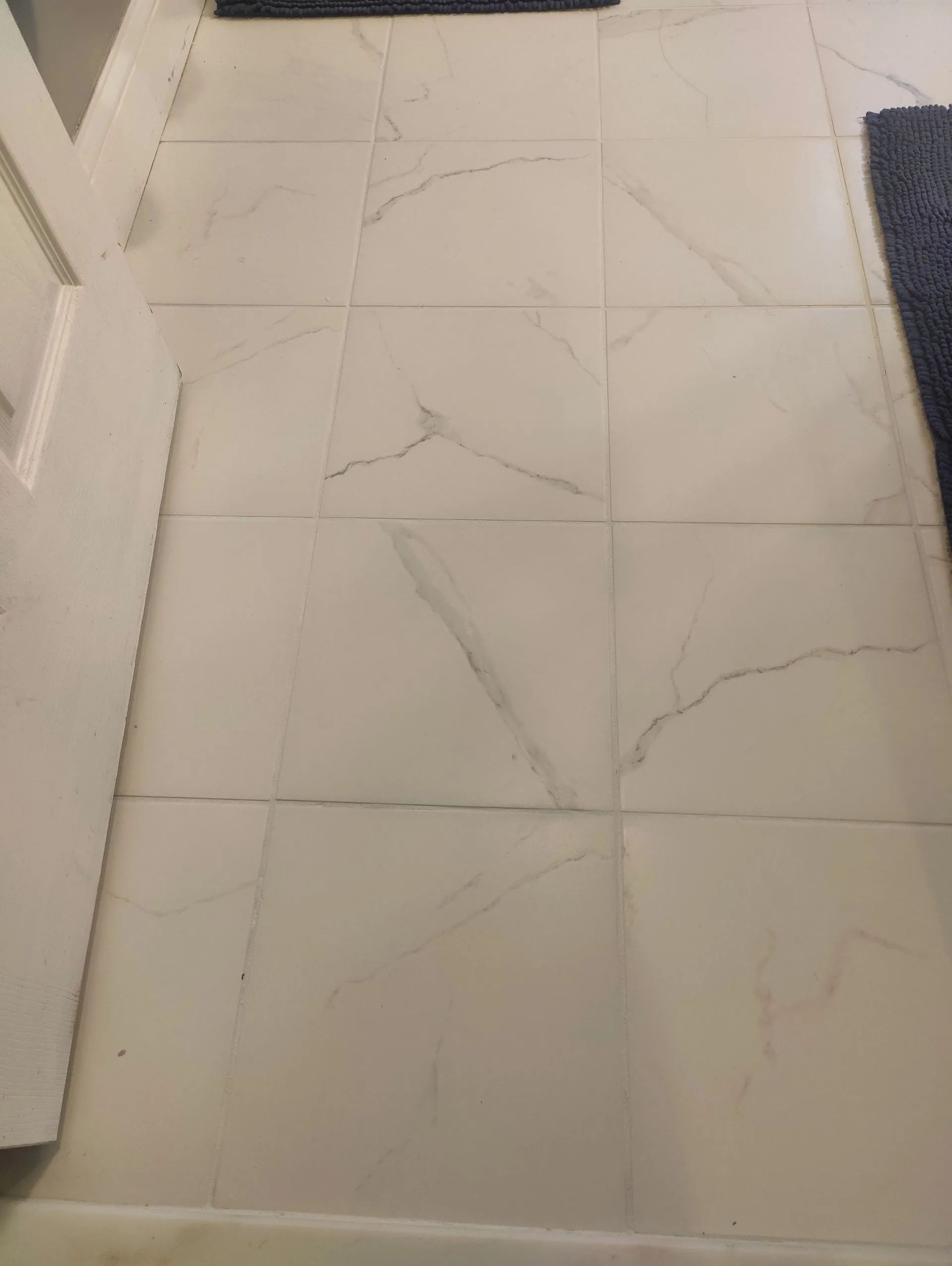
What makes this issue more pressing is that tile and grout surfaces are standard in both bathrooms and kitchens. While they look polished and clean, standard tile finishes offer very little grip when wet. Anti-slip treatments are a practical, durable, and non-intrusive solution that dramatically reduce the risk of these accidents without requiring a full floor replacement. Understanding how these treatments work, where they matter most, and how to maintain them properly gives homeowners the knowledge to protect their families before an accident occurs.

Why Bathrooms and Kitchens Are the Most Dangerous Rooms in Your Home

The Science Behind Slippery Surfaces

Tile is a go-to material for wet rooms because it is water-resistant, easy to clean, and long-lasting. However, these same qualities make it a slip hazard when moisture is present. The coefficient of friction, or COF, is the measurement used to determine how much grip a surface provides. The American National Standards Institute recommends a COF of at least 0.42 for dry surfaces and higher values for wet or inclined surfaces. Many standard glazed ceramic and porcelain tiles fall well below safe thresholds when wet.


In a bathroom, water pools around shower entries, bathtub rims, and vanity areas. In the kitchen, grease splatter, spilled liquids, and condensation from dishwashers all create invisible but very real hazards. These conditions are not occasional. They happen every day.

Who Is Most at Risk

While anyone can slip on a wet floor, certain groups face significantly higher consequences. Older adults, young children, individuals recovering from surgery, and people with mobility challenges are at the greatest risk of serious injury from falls. A simple slip can result in fractures, head trauma, or long-term mobility loss. In multigenerational homes, where children and elderly family members share the same living spaces, floor safety is not optional. It is essential.

What Anti-Slip Treatments Are and How They Work

The Chemistry of Grip

Anti-slip treatments are chemical solutions applied directly to tile, stone, or grout surfaces. They work by creating microscopic pores or channels in the surface that grip the foot when pressure and moisture are present. Unlike anti-slip mats or adhesive strips, these treatments become part of the surface itself and do not alter the appearance of the tile in any noticeable way.


The treatment chemically reacts with the silica content in ceramic, porcelain, and natural stone surfaces. This reaction creates a texture that is invisible to the eye but measurable in terms of improved friction. The result is a surface that provides far better grip when wet while feeling no different underfoot when dry.

Types of Anti-Slip Treatments

Treatment Type Best Used On Key Benefit
Chemical etching solutions Ceramic, porcelain, natural stone Permanent grip enhancement
Anti-slip coatings Smooth glazed tile Adds surface traction without texture
Sealer-based treatments Grout lines and porous tile Seals surface while improving grip
Aggregate additives High-traffic commercial tile Heavy-duty traction for extreme use

For residential bathrooms and kitchens, chemical etching solutions and sealer-based treatments are typically the most practical and long-lasting options.

Where Anti-Slip Treatments Matter Most in the Home

Bathroom Floors and Shower Areas

Slow-draining showers create frustration, standing water, and sanitation concerns. Hair buildup, soap residue, mineral deposits, and debris commonly restrict water flow inside drain lines. However, recurring drainage problems may indicate more serious plumbing blockages deeper within the system.


Ignoring repeated clogs places additional pressure on pipes and fittings. Standing water can also weaken grout lines, stain tile surfaces, and create unpleasant odors inside the bathroom

Kitchen Floors Near Sinks and Appliances

The zone immediately in front of the kitchen sink is a hotspot for spills. Dishwashing, rinsing produce, and filling pots all result in water on the floor. Cooking areas near the stove also collect grease mist and oil droplets that settle invisibly on tile and become dangerously slick underfoot.


Anti-slip treatments in these specific zones, rather than the entire kitchen floor, can be a targeted and practical approach for homeowners who want to address the highest-risk areas without treating the entire space.

Entryways and Laundry Rooms

Rain and tracked-in moisture from entryways create slip hazards that are easy to overlook. Laundry rooms with tile floors also see consistent water exposure from washing machines, laundry sinks, and damp clothing. Anti-slip treatments extend naturally to these spaces wherever wet tile poses a regular risk.

The Role of Grout in Floor Safety

Grout Lines as a Natural Grip Mechanism

Faulty shower valves, worn cartridges, and leaking fixtures create additional strain on plumbing systems. Continuous dripping wastes water around the clock and may eventually damage surrounding surfaces. Corrosion around fixtures can also weaken connections and increase the likelihood of sudden failures.


Professional repair technicians evaluate both visible fixtures and connected plumbing components to identify the true source of performance issues. Expert repairs often include fixture replacement, valve adjustments, mineral deposit removal, and plumbing upgrades designed to improve efficiency.

Grout Sealing and Slip Resistance

Sealing grout is widely recommended for moisture control and stain prevention, but the right sealers also contribute to slip resistance. A penetrating sealer fills the porous structure of grout without creating a slick surface film, which helps maintain traction rather than reduce it. Surface sealers, by contrast, can actually increase slip potential if they build up over time and are not correctly applied.


Understanding the difference between sealer types and choosing the correct one for a specific surface is where professional expertise makes a real difference in long-term safety outcomes.

Best Practices for Maintaining Anti-Slip Surfaces

Cleaning Products Matter

One of the most overlooked factors in floor safety is cleaning chemistry. Many common household cleaners leave a residue on tile that reduces friction. Wax-based cleaners, oil-based soaps, and certain multipurpose sprays all contribute to slippery buildup over time, even after the surface dries. For anti-slip treated floors, pH-neutral cleaners without wax or oil additives are the standard recommendation.


Avoid using abrasive scrubbers on treated tile, as aggressive mechanical cleaning can gradually wear down the chemical treatment or coating.

Re-Treatment and Inspection Timelines

Anti-slip treatments are durable but not permanent in all cases. High-traffic areas, particularly shower floors and kitchen zones near the sink, will see more wear. A general rule of thumb is to inspect treated surfaces annually and re-treat as needed, typically every one to three years depending on traffic levels, cleaning frequency, and the original surface material.


Signs that re-treatment may be needed include a noticeable decrease in grip when the floor is wet, visible wear patterns, or changes in the surface texture compared to when it was first treated.

Experienced Tile Restoration Serving Boston With Every Project

Anti-slip treatments are a straightforward and permanent upgrade to one of the most hazard-prone environments in any home. Bathrooms and kitchens present daily slip risks that most people accept as normal, when in reality they are preventable. From chemical surface treatments that enhance grip without altering appearance to proper grout restoration that supports natural traction, a comprehensive approach to floor safety protects every member of a household. Choosing the right treatment for the right surface, maintaining it with appropriate cleaning products, and scheduling periodic inspections are the three pillars of a lasting solution. Floor safety is not a luxury consideration. It is a practical investment in everyday well-being that pays returns every time someone steps out of the shower or walks across a wet kitchen floor without incident.


At The Groutsmith, we bring Several years of specialized experience in grout and tile restoration to homeowners across Boston, Massachusetts. Our work goes beyond surface-level cleaning. We assess the true condition of tile and grout, restore deteriorated surfaces, apply professional-grade sealers, and deliver results that improve both the appearance and safety of floors throughout the home. When homeowners across the region trust us with their floors, we approach every surface with the same care and precision we would apply in our own homes. If your tile and grout is showing signs of wear, discoloration, or deterioration, we are here to restore it to a standard that is safe, clean, and built to last.

Frequently Asked Questions

  • How long does an anti-slip treatment last on bathroom tile?

    Most anti-slip treatments last one to three years depending on traffic volume and cleaning habits. Shower floors and high-use areas typically need re-treatment sooner than lower-traffic surfaces.

  • Will an anti-slip treatment change the look of my tile?

    In most cases, no. Chemical treatments work at a microscopic level and do not alter the visible appearance of the tile. The floor looks the same but performs very differently when wet.

  • Can anti-slip treatments be applied to natural stone floors?

    Yes. Many treatments are formulated for natural stone, including marble, travertine, and slate. The application process may differ from ceramic or porcelain tile, so surface-specific products should always be used.

  • Are there any surfaces where anti-slip treatments should not be used?

    Highly polished surfaces like honed marble or certain luxury vinyl tiles may not respond well to standard chemical treatments. A professional assessment of the surface type is recommended before application.

  • Does grout condition affect how well an anti-slip treatment works?

    Yes. Cracked, eroded, or heavily soiled grout can reduce the performance of any surface treatment. Restoring grout to proper condition before applying an anti-slip product delivers significantly better and longer-lasting results.

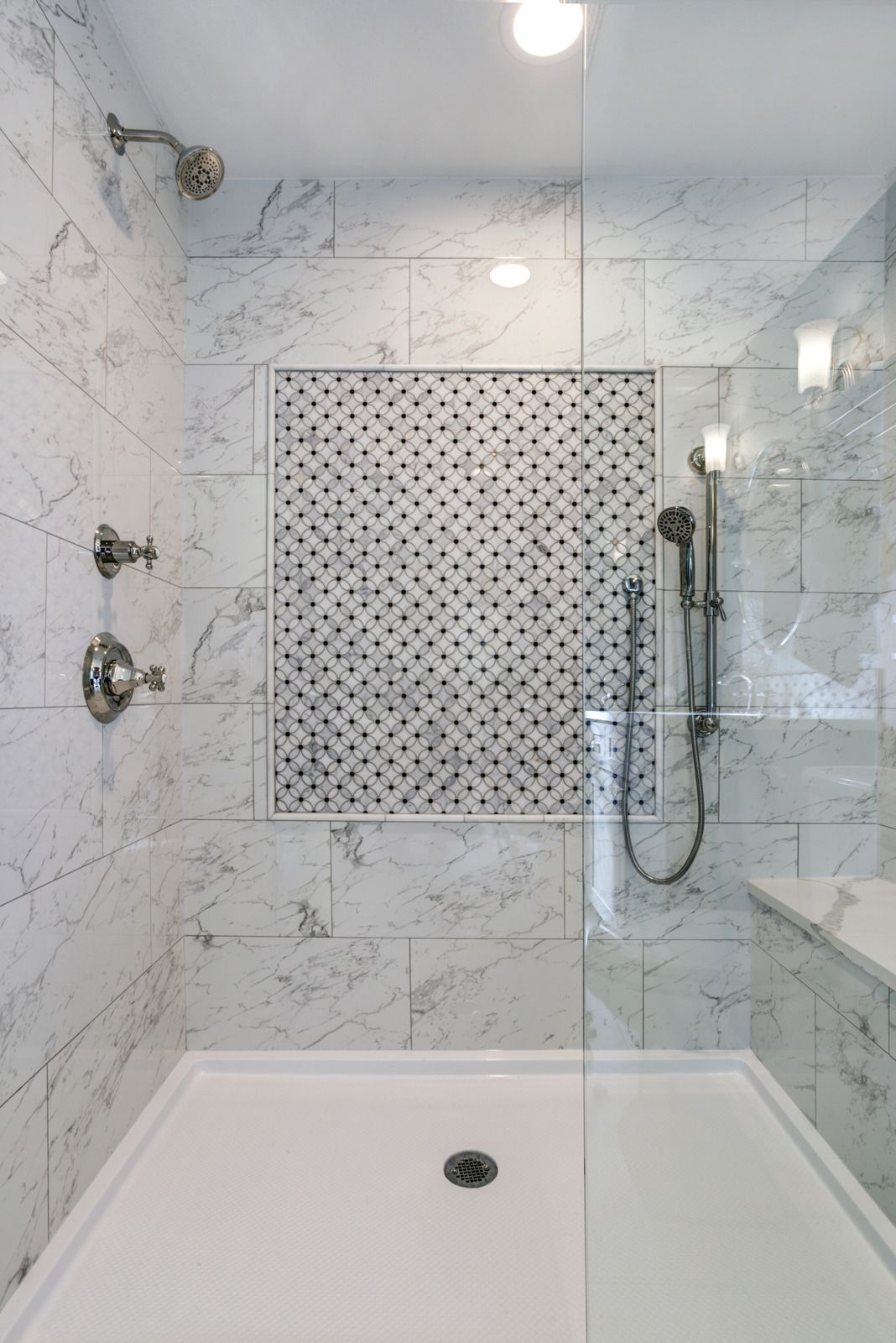
Modern white-tiled shower with built-in niche, handheld showerhead, and bathtub below.
May 12, 2026
A functional shower supports comfort, cleanliness, and daily convenience, yet minor problems inside this space often grow into expensive structural repairs when ignored. Dripping fixtures, cracked grout, hidden leaks, poor drainage, and fluctuating water pressure can damage walls,
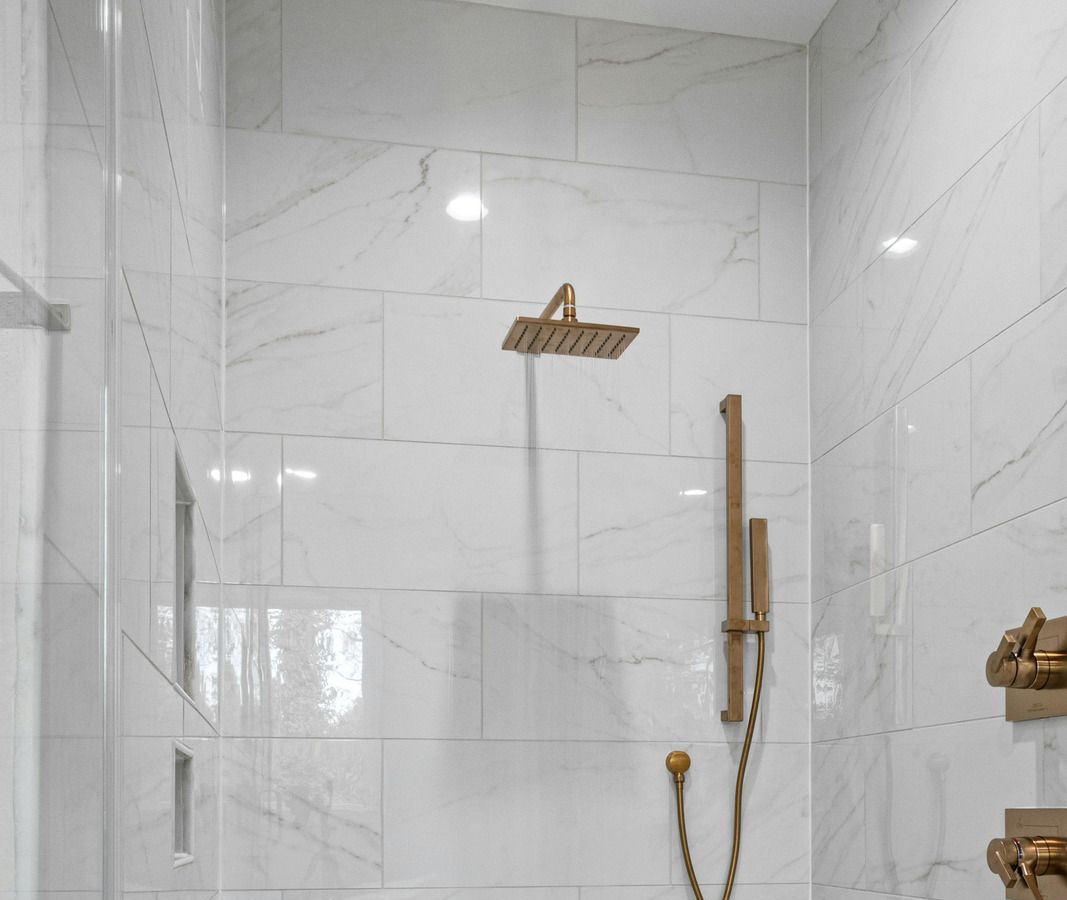
Modern white-tiled walk-in shower with brass fixtures and handheld showerhead
April 22, 2026
A bathroom is one of the most frequently used spaces in any home, yet it is also one of the most overlooked when it comes to long-term maintenance. Over time, constant exposure to moisture, soap residue, hard water stains, and daily wear can cause showers to lose their original shine.

A decorative square tile inlay centered in a neutral-toned tiled floor featuring a circular Greek-style patterned motif.
March 26, 2026
Floor tiles are more than just a design element—they are the foundation of a space's aesthetics, durability, and safety.
Modern white-tiled shower with built-in niche, handheld showerhead, and bathtub below.
May 12, 2026
A functional shower supports comfort, cleanliness, and daily convenience, yet minor problems inside this space often grow into expensive structural repairs when ignored. Dripping fixtures, cracked grout, hidden leaks, poor drainage, and fluctuating water pressure can damage walls,
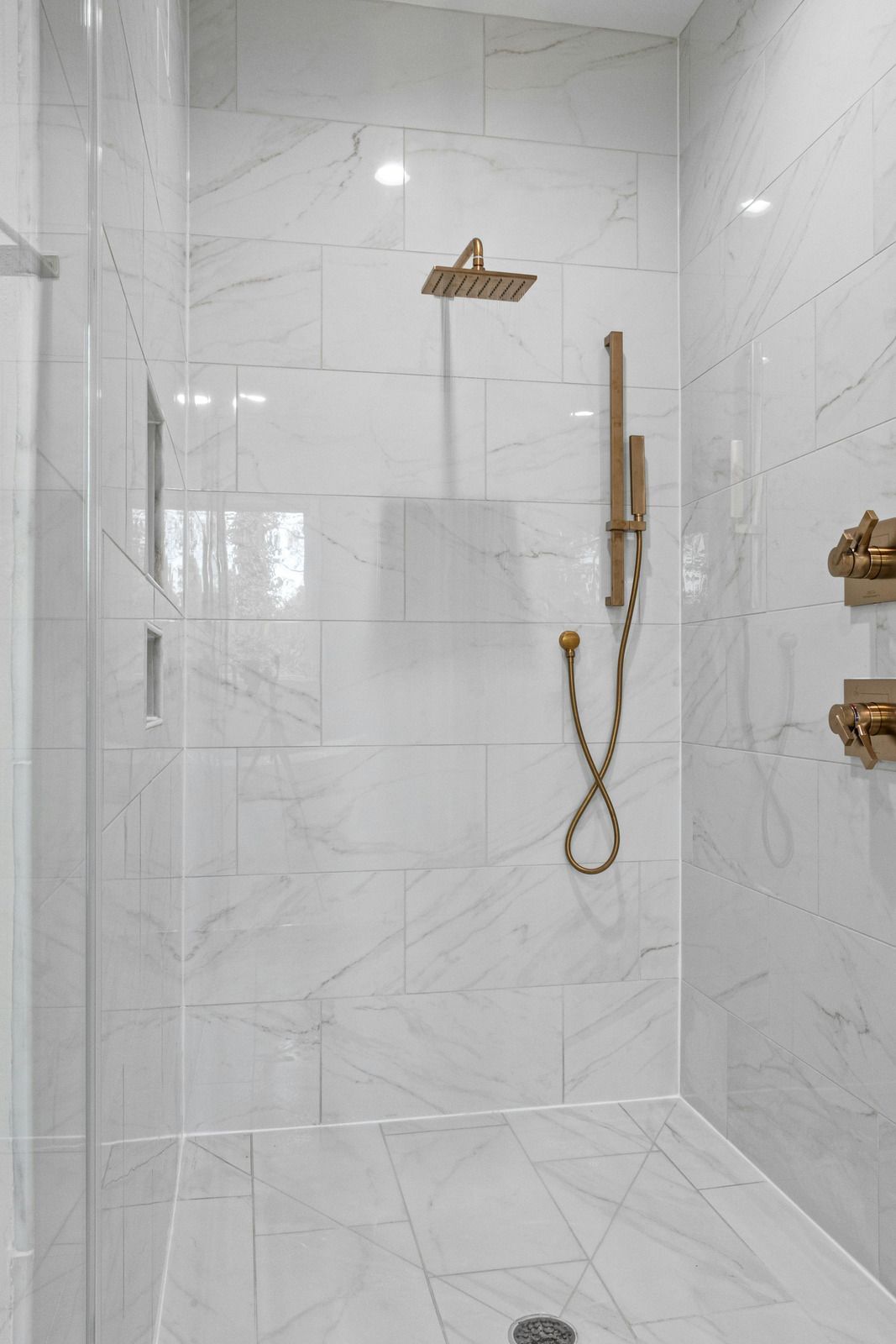
Modern white-tiled walk-in shower with brass fixtures and handheld showerhead
April 22, 2026
A bathroom is one of the most frequently used spaces in any home, yet it is also one of the most overlooked when it comes to long-term maintenance. Over time, constant exposure to moisture, soap residue, hard water stains, and daily wear can cause showers to lose their original shine.
A decorative square tile inlay centered in a neutral-toned tiled floor featuring a circular Greek-style patterned motif.
March 26, 2026
Floor tiles are more than just a design element—they are the foundation of a space's aesthetics, durability, and safety.