Cracked or Chipped Tiles? Here’s Why Timely Tile Repair Matters
December 26, 2025
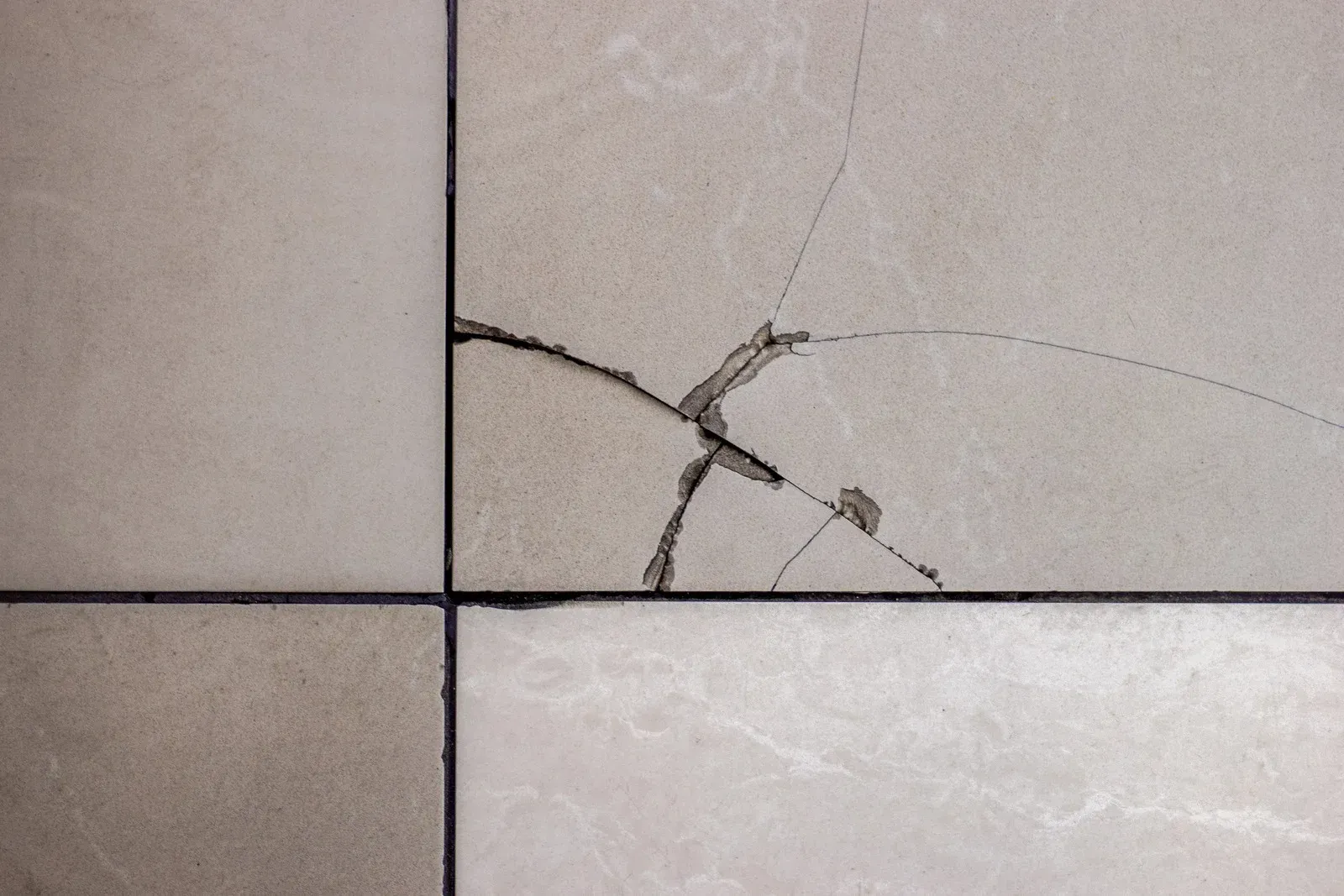
Tiles are a staple in both residential and commercial spaces, providing durability, aesthetics, and functionality. From bathroom floors and kitchen backsplashes to living area accents, tiles enhance the overall look of a property while serving practical purposes such as moisture resistance and easy maintenance. However, even the highest-quality tiles are not immune to damage. Cracks, chips, and fractures can occur over time due to heavy foot traffic, accidental impacts, structural shifts, or natural wear and tear. While some homeowners or business owners might view these imperfections as minor cosmetic issues, they can lead to far more serious problems if left unaddressed.
Timely tile repair is essential not just for maintaining a space’s visual appeal but also for protecting its structural integrity and safety. Damaged tiles can become breeding grounds for mold, cause injuries, and compromise underlying surfaces. Furthermore, neglected cracks and chips tend to worsen over time, escalating repair costs and disrupting daily life or business operations. Understanding why immediate attention is crucial can help property owners make informed decisions. This article delves into the multiple reasons why prompt tile repair matters, exploring practical solutions, preventive strategies, and expert insights that highlight the importance of addressing tile damage without delay.
1. Understanding Tile Damage
Types of Tile Damage
Tiles can sustain various types of damage, each with unique causes and consequences:
- Cracks: Usually caused by structural movement, improper installation, or sudden impact. Cracks may be superficial or extend deep into the substrate.
- Chips: Small pieces of a tile breaking off, often from dropped objects, furniture impacts, or heavy foot traffic.
- Loose Tiles: Occur when adhesive fails or grout erodes, causing tiles to shift or lift.
- Discoloration or Staining: Though not structural, discoloration can indicate water damage or mold growth underneath.
Identifying the type of damage is the first step toward effective repair. Timely recognition helps prevent minor issues from evolving into larger, costlier problems.
Common Causes of Tile Damage
Understanding the root causes can help property owners avoid repeated damage:
- Heavy Impact or Dropped Objects: Kitchens and living areas often experience accidental drops of heavy items like cookware or furniture legs.
- Structural Shifts: Buildings settle over time, and even minor shifts can stress tiles, causing cracks.
- Temperature Fluctuations: Sudden changes in temperature can expand and contract tiles, especially in spaces like bathrooms or patios.
- Moisture Intrusion: Water seeping through grout or cracks weakens adhesive layers and encourages mold growth.
By recognizing these causes, property owners can adopt preventive measures, reducing the frequency of repairs.
2. Risks of Delaying Tile Repairs
Safety Hazards
One of the most immediate concerns with cracked or chipped tiles is safety. Broken tiles can have sharp edges, posing a risk of cuts or injuries, especially in homes with children, elderly residents, or pets. Loose or uneven tiles also create tripping hazards that can lead to serious falls, particularly on staircases or high-traffic areas.
Structural Damage
Ignoring minor cracks or chips can compromise the structural integrity of the tiled surface. Water can seep through damaged grout or tile fractures, leading to deterioration of the subfloor or wall backing. In bathrooms and kitchens, moisture accumulation can cause wood rot, mold infestation, and even weaken the entire floor assembly. Over time, this can necessitate extensive reconstruction rather than simple repairs.
Increased Repair Costs
What begins as a minor cosmetic repair can escalate into a major financial burden if left untreated. Replacing a single cracked tile is far less expensive than addressing multiple damaged tiles caused by spreading cracks or water damage. Timely repair minimizes costs and reduces the likelihood of having to replace entire floors or walls.
Decreased Property Value
Damaged tiles diminish the visual appeal and perceived maintenance of a property. In real estate, visible imperfections signal neglect to potential buyers or tenants. Prompt repair ensures a polished, well-maintained appearance, preserving property value and making it more attractive to buyers or renters.
3. Benefits of Timely Tile Repair
Preserving Aesthetic Appeal
Repairing tiles promptly helps maintain the overall visual harmony of a space. Even minor chips can detract from an otherwise polished design. Matching repair materials to existing tiles can restore the seamless look and preserve interior design integrity.
Preventing Secondary Damage
Timely repair acts as a preventive measure against secondary issues such as water damage, mold growth, and adhesive deterioration. By sealing cracks and fixing chips early, property owners can protect both the visible surface and the underlying layers.
Enhancing Safety
Addressing tile damage reduces the risk of injuries caused by sharp edges or uneven surfaces. In commercial spaces, this is especially critical for liability management, ensuring a safe environment for employees, customers, and visitors.
Cost-Effectiveness
Early intervention allows for targeted repairs rather than large-scale replacements. Homeowners can replace or repair only the affected tiles instead of investing in entire floor or wall renovations. Proactive maintenance ultimately saves money and prevents unexpected expenditures.
Longevity of Tiles
Repairing tiles as soon as damage occurs extends their lifespan. A cracked tile left unattended may worsen with foot traffic or environmental stressors, while timely repair keeps the tile functional for years, preserving the investment.
4. Best Practices for Tile Repair
Professional Assessment
Engaging a professional tile repair specialist ensures accurate diagnosis and effective repair. Experts can determine whether a tile can be repaired or needs replacement, and they can identify underlying issues such as water damage or subfloor problems.
Using High-Quality Materials
Selecting the right grout, adhesive, and replacement tiles is critical for long-lasting repairs. Inferior materials may fail quickly, leading to repeated repairs. Professionals often source materials that match original tiles in color, texture, and durability.
Preventive Measures Post-Repair
Once tiles are repaired, additional preventive steps can reduce future damage:
- Use area rugs or mats in high-traffic areas.
- Avoid dragging heavy furniture across tiled floors.
- Maintain grout by sealing it regularly to prevent water infiltration.
- Address structural or moisture issues promptly to prevent repeated damage.
By combining professional repair with preventive strategies, property owners can maximize the lifespan of tiled surfaces.
Repair Techniques
Different types of damage require specific repair techniques:
- Crack Filling: Small cracks can often be repaired with epoxy or resin injections, restoring surface integrity without removing the tile.
- Chip Restoration: Minor chips can be filled with colored epoxy or tile filler to blend seamlessly with the original surface.
- Tile Replacement: Severely damaged tiles are best replaced entirely. This involves carefully removing the damaged tile, preparing the substrate, and applying adhesive to set the new tile.
5. Real-World Examples and Insights
Residential Scenarios
In homes, common incidents like dropping kitchenware or shifting furniture can lead to chipped tiles. For example, a ceramic tile in a kitchen backsplash might chip from a falling pot. If repaired immediately, the visual disruption is minimal and underlying wall surfaces remain protected. Delaying repair can allow moisture to seep in, resulting in mold and a weakened wall structure.
Commercial Scenarios
Retail stores, offices, and restaurants experience heavy foot traffic daily. A cracked floor tile in a restaurant kitchen can pose serious safety risks, including slip-and-fall accidents. Prompt repair not only prevents injuries but also maintains hygiene standards and reduces potential liability claims.
Lessons from Neglect
In some cases, ignoring a cracked tile can lead to extensive damage. For instance, water penetration through a bathroom tile crack may result in subfloor rot and extensive mold remediation. The cost of ignoring the problem far exceeds the expense of a timely repair, highlighting the practical value of early intervention.
Expert Insights
Tile repair specialists emphasize the importance of immediate attention. They recommend that even small chips be addressed as soon as possible. According to professionals, minor repairs take a fraction of the time and cost of full replacements, making proactive action a wise investment for homeowners and business operators alike.
6. Choosing the Right Tile Repair Service
Factors to Consider
When selecting a tile repair service, consider the following factors:
- Experience and Expertise: Professionals with years of hands-on experience are better equipped to handle various tile materials and repair scenarios.
- Quality of Materials: Ensure the service uses high-quality adhesives, grout, and filler for durable results.
- Portfolio and Reviews: Reviewing past work and client testimonials provides insight into the quality and reliability of the service provider
- Response Time:
A company that responds promptly can prevent further damage and reduce repair costs.
DIY vs. Professional Repairs
While minor cosmetic chips can be addressed with DIY kits, professional services are recommended for significant cracks, loose tiles, or water-related issues. Experts have the tools, experience, and knowledge to ensure repairs are safe, long-lasting, and aesthetically seamless.
Maintenance and Ongoing Care
Post-repair, maintaining tiled surfaces is key. Regular inspections, cleaning, grout sealing, and prompt attention to minor cracks can prolong the lifespan of tiles and prevent the need for extensive future repairs.
Skilled Professionals Delivering High-Quality Tile Repairs
Timely tile repair is essential for maintaining both the functionality and visual appeal of tiled surfaces. From safety hazards and structural damage to increased repair costs and diminished property value, neglecting cracks and chips can have far-reaching consequences. By addressing damage promptly, property owners preserve aesthetic appeal, enhance safety, prevent secondary damage, and extend the lifespan of their tiles. Implementing preventive strategies further reinforces the durability and attractiveness of tiled surfaces.
At The Groutsmith, based in Boston, Massachusetts, we understand the significance of timely,
professional tile repair. With several years of experience in handling residential and commercial tile projects, our team delivers expert assessments, high-quality materials, and precise repair techniques to restore both the beauty and functionality of your tiled spaces. Trust The Groutsmith to provide dependable, efficient, and lasting solutions, ensuring your property remains safe, visually appealing, and structurally sound for years to come.