From Damage to Dazzling: The Complete Guide to Tile and Grout Repair
January 24, 2026
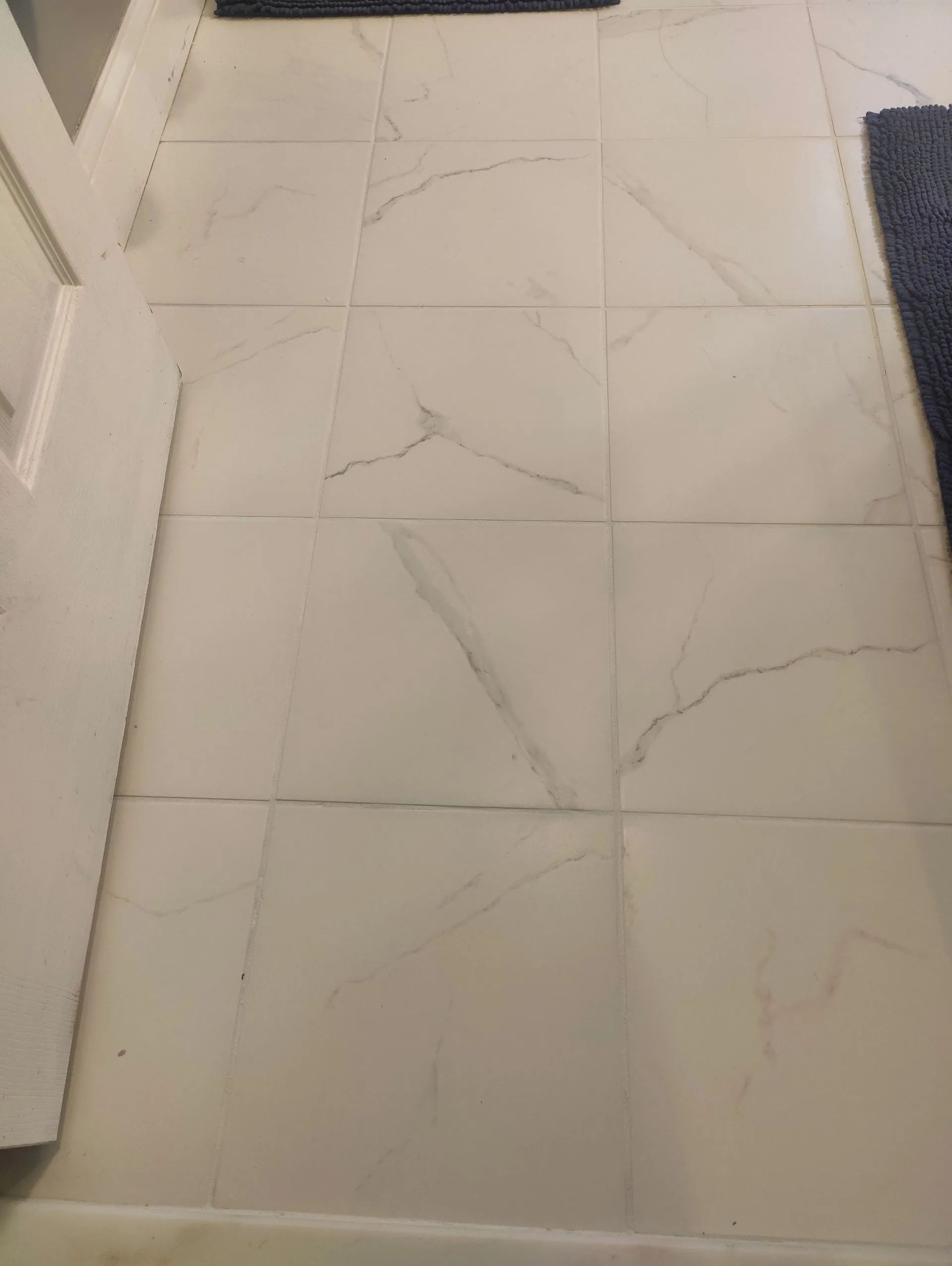
Tile and grout are often overlooked elements in both residential and commercial spaces, yet they play a pivotal role in maintaining a polished, hygienic, and durable surface. Over time, tiles can crack or chip, and grout can discolor, crumble, or become a breeding ground for mold and mildew. These issues not only diminish the aesthetic appeal of your property but can also compromise its structural integrity. Whether in a high-traffic kitchen, a bathroom, or a commercial setting, neglecting tile and grout maintenance can lead to costly repairs and potential safety hazards. Timely attention to these surfaces is essential to preserving both functionality and beauty.
The world of tile and grout repair has evolved considerably, offering homeowners and facility managers a variety of solutions—from simple DIY fixes to professional restoration services. Understanding the types of damage, the materials involved, and the most effective repair strategies can empower property owners to make informed decisions. This guide will explore the causes of tile and grout deterioration, highlight practical repair techniques, and offer insights into maintaining long-lasting results. By the end, you will be equipped to transform damaged surfaces into dazzling, durable finishes that enhance both aesthetics and value.
Understanding Tile and Grout Damage
Types of Tile Damage
Tile surfaces are susceptible to several forms of damage. Cracks are among the most common, often resulting from heavy impacts, settling foundations, or natural wear over time. Even small cracks can harbor dirt and moisture, leading to further deterioration. Chipped edges usually occur in high-traffic areas or from dropped objects, affecting the visual appeal and safety of the floor. For ceramic and porcelain tiles, minor chips may seem superficial but can worsen if moisture penetrates the exposed substrate.
Another prevalent issue is loose tiles, which may occur when adhesive fails or the subfloor shifts. Loose tiles are not only unsightly but can pose tripping hazards. Discoloration and staining also affect the surface, particularly in porous tile types like natural stone. Here, spills, cleaning chemicals, and foot traffic gradually erode the original finish, making the area look aged and neglected.
Grout Deterioration
Grout acts as both a filler and a sealant between tiles, but it is often the first to show signs of wear. Common problems include crumbling grout, mold growth, and discoloration. In bathrooms and kitchens, moisture accelerates deterioration, creating a breeding ground for bacteria. Cracked or missing grout not only undermines the aesthetic of the surface but also exposes the substrate to water damage, which can lead to costly structural repairs.
Understanding these types of damage is the first step toward effective repair. Recognizing the early signs allows for timely interventions, preventing minor issues from escalating into extensive, expensive problems.
Causes of Tile and Grout Damage
Natural Wear and Tear
Tiles and grout naturally degrade over time due to daily use. High-traffic areas such as hallways, kitchens, and commercial spaces experience repeated pressure and abrasion, gradually wearing down the surface. Even high-quality tiles can lose their luster after years of exposure to foot traffic, spills, and cleaning chemicals.
Environmental Factors
Temperature fluctuations and moisture play a significant role in tile and grout damage. In bathrooms, kitchens, or basements, excessive humidity or water exposure can weaken adhesive bonds and erode grout lines. Outdoor tiles face challenges from sun exposure, freezing temperatures, and precipitation, which can cause expansion, contraction, and cracking.
Installation Errors
Improper installation is a leading cause of premature tile and grout damage. Insufficient adhesive, uneven subfloors, or improper grout application can result in loose or cracked tiles and gaps in grout lines. Even minor installation errors may manifest as significant issues over time, particularly under heavy use.
Accidental Impact and Heavy Use
Tiles are prone to damage from dropped objects, moving furniture, or heavy equipment. Porcelain and ceramic tiles are durable, but the force from sharp or heavy items can lead to chips or cracks. Grout is particularly vulnerable in high-traffic areas, where repeated stress can cause it to crumble or erode.
By understanding these causes, property owners can take proactive steps to minimize damage, such as selecting appropriate tile types, investing in professional installation, and adopting preventive maintenance practices.
DIY Tile and Grout Repair Techniques
Assessing the Damage
Before attempting repairs, it is essential to assess the extent of damage. Minor chips, surface cracks, or discolored grout can often be repaired at home, whereas extensive damage may require professional intervention. Identifying the type of tile and grout is also crucial for selecting the right repair materials.
Repairing Cracks and Chips
Small cracks can be filled using a tile repair kit or epoxy filler, which blends with the original surface. Chipped edges can be smoothed and recolored using tile paint or repair compounds. For deeper damage, removing the affected tile and replacing it may be necessary. Ensure proper cleaning and surface preparation before applying adhesives or fillers to achieve a lasting repair.
Grout Repairs
Grout repair often involves removing damaged grout with a grout saw or scraper and reapplying fresh grout. Pre-mixed grout or powdered grout that requires mixing can be used, depending on the type and color match. Once applied, allow the grout to cure fully and seal it to prevent future water penetration.
Preventive Maintenance
DIY maintenance can extend the life of tile and grout. Regular cleaning with mild solutions, avoiding harsh chemicals, and applying a grout sealer can prevent stains and erosion. Additionally, using floor mats in high-traffic areas and addressing spills promptly minimizes the risk of long-term damage.
DIY repairs are effective for minor issues, but understanding when to call a professional is critical to avoid exacerbating the damage.
Professional Tile and Grout Restoration
When to Call a Professional
Professional tile and grout repair is recommended for extensive cracking, large areas of damaged grout, water damage, or structural issues. Experienced technicians possess specialized tools and knowledge to ensure repairs are durable, precise, and visually seamless.
Advanced Repair Techniques
Experts utilize techniques such as grout removal and replacement, tile leveling, epoxy injections, and color matching to restore damaged surfaces. They can also address underlying issues like subfloor instability, moisture penetration, and mold remediation, ensuring repairs last longer and prevent recurring problems.
Benefits of Professional Services
Professional restoration offers several advantages:
- Longevity: Repairs are more durable than DIY fixes.
- Aesthetic consistency: Professionals can match colors and textures seamlessly.
- Safety: Properly installed and repaired tiles reduce trip hazards.
- Time efficiency: Professionals complete complex repairs faster, minimizing disruption.
Real-World Scenarios
In commercial kitchens, cracked tiles can compromise hygiene and safety. Professional repair ensures that tiles are securely installed, easy to clean, and resistant to further damage. In residential bathrooms, professional grout restoration can prevent water damage and mold growth, protecting both health and property value.
Investing in professional services often saves money in the long run by avoiding recurring repairs, structural damage, and potential health hazards.
Preventive Measures and Long-Term Care
Routine Cleaning
Regular cleaning with pH-neutral solutions prevents buildup of dirt, grime, and mold. Avoid abrasive tools and harsh chemicals that can erode grout or scratch tiles.
Sealing and Protection
Applying a grout sealant every 6–12 months creates a protective barrier against moisture, stains, and mildew. For natural stone or porous tiles, tile sealers are equally important to maintain shine and durability.
Monitoring and Early Intervention
Regular inspection allows for early detection of cracks, chips, or discoloration. Addressing small issues promptly prevents them from escalating into extensive damage.
Lifestyle Considerations
In high-traffic areas, use area rugs, mats, and protective pads under furniture. Implementing careful habits, like cleaning spills immediately, reduces wear and prolongs the life of tiles and grout.
Preventive maintenance, combined with timely repairs, ensures that tile and grout surfaces remain both beautiful and functional for years.
Expert Solutions for Tile and Grout Maintenance Needs
Tile and grout play a vital role in the functionality, safety, and aesthetic appeal of any property. Understanding the causes of damage, from natural wear and environmental factors to installation errors and accidental impact, empowers property owners to take proactive steps toward maintenance and repair. While minor issues such as small cracks, chips, or discolored grout can often be addressed with DIY techniques, extensive damage or structural concerns require professional intervention. Professional repair ensures longevity, aesthetic consistency, and safety while addressing underlying issues like moisture infiltration and mold growth.
Preventive measures, including routine cleaning, sealing, and vigilant monitoring, are equally critical. By incorporating these practices, homeowners and commercial property managers can minimize deterioration, avoid costly repairs, and maintain surfaces that are both visually appealing and highly functional. The combination of informed maintenance, timely DIY interventions, and professional restoration creates a comprehensive strategy for sustaining tile and grout surfaces over the long term.
For those seeking reliable and
experienced tile and grout services, The Groutsmith
in Boston, Massachusetts, offers unparalleled expertise. With several
years of hands-on experience, The Groutsmith
specializes in transforming damaged surfaces into dazzling, long-lasting finishes. Whether it’s repairing chipped tiles, restoring worn grout, or providing preventive maintenance, the team applies industry-leading techniques and materials to deliver professional results. Their deep understanding of tile and grout systems, combined with a commitment to excellence and customer satisfaction, ensures every project is handled with precision and care. Clients across Boston rely on The Groutsmith
for durable, high-quality outcomes that enhance both aesthetics and property value. By partnering with trusted professionals, property owners can enjoy peace of mind knowing their tile and grout surfaces are in expert hands, protected against damage, and maintained to the highest standards.