Grout Cracking and Crumbling Between Floor Tiles? What's Really Failing
August 13, 2026
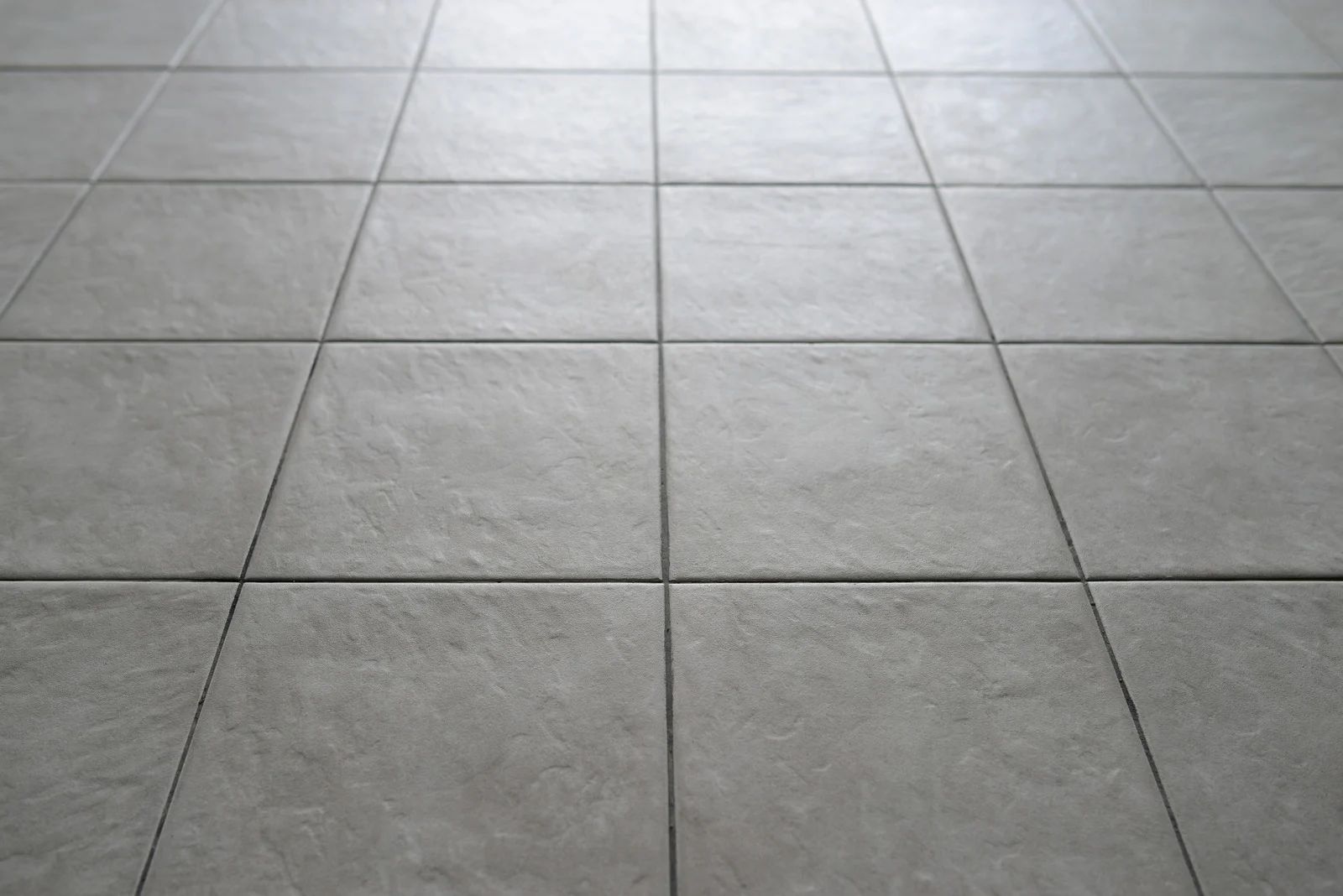
You're on your knees wiping down the kitchen floor when your finger catches a groove that wasn't there last month. A thin crack runs the length of a grout line, and when you press on it, a few grains crumble away like dry sand. Down the hall, the bathroom floor has the same problem: a joint near the tub is hollowed out, missing chunks the width of a pencil eraser. You didn't do anything differently. You just noticed, and now you can't stop noticing.
QUICK ANSWER: Grout that cracks or crumbles between floor tiles is almost never a grout quality problem by itself. It's usually a sign of movement or moisture underneath the tile: a subfloor that flexes more than it should, joints that were packed too thin or too dry when the floor was installed, or years of foot traffic wearing down a sealant that stopped protecting the grout long ago. In most cases, the surface joints can be removed and repacked without pulling up the tile, but the pattern of where the cracks show up tells a specialist whether it's a cosmetic fix or a sign of something moving underneath.
Why a "Small" Crack in Grout Is Rarely Just About the Grout
Grout is a cement-based filler, and cement doesn't bend. It's rigid by design, which is exactly what makes it good at locking tile in place and exactly what makes it the first thing to show damage when something underneath isn't behaving. When a subfloor flexes even slightly under weight, the tile and grout above it are forced to absorb that movement. Tile, being harder and more brittle, sometimes holds. Grout, being softer and more porous, gives first.
That's the pattern worth paying attention to: grout cracking along a joint, especially in a straight line or in a cluster near a doorway, high-traffic path, or under a kitchen island, points toward structural movement rather than a bag of bad grout. The Tile Council of North America lists excessive deflection in the substrate as one of the most common causes of cracked or loose grout, alongside joints that were packed too thin during installation. Both point to the same root issue: the floor system beneath the tile wasn't stable or wasn't prepped correctly before the grout ever went in.
The joist and subfloor story underneath your feet.
Floor joist spacing, subfloor thickness, and how the plywood layers were fastened together all affect how much a floor flexes when someone walks across it. A floor built to hold up under normal foot traffic without excessive give gives grout a stable surface to bond to. A floor that flexes more than it should, whether from undersized joists, a thin subfloor, or gaps in the underlayment, keeps stressing the grout joints every time weight passes over them, which is exactly the kind of repeated micro-movement that eventually shows up as a crack.
What Was Happening the Day the Grout Was Installed
Not every cracking or crumbling grout problem traces back to the subfloor. Plenty of it comes down to what happened during the original installation, sometimes years before you ever noticed a problem.
Under-Packed Joints
When grout isn't pushed firmly to the back of the joint during installation, it can bridge across the gap instead of filling it. From the surface, the joint looks complete. Underneath, there's a void. That thin shell of grout has almost no strength, and it's often the first material to crack or crumble away, sometimes within the first year or two.
Grout Mixed With Too Much Water
Cement-based grout cures through a chemical reaction with water, not by drying out in open air. Extra water added to make the mix easier to spread has to evaporate eventually, and as it leaves, it can leave behind tiny voids, sometimes called pinholing, that weaken the grout structure from the inside. A joint made this way can look fine on day one and start crumbling within a season or two of foot traffic.
Grout that Had Already Started To Set Before It Was Packed
Cement-based grout has a limited working window once water is mixed in. If more water gets added later to keep it workable past that window, the material may still go into the joint looking normal, but it won't cure into the solid, uniform block it's supposed to. Instead, it stays soft and weak, and crumbling shows up early rather than after years of wear.
None of these installation issues are visible from the surface once the grout has cured. That's part of why cracking that shows up two or three years after a floor was installed can still trace back to the day it was grouted.
TIP: Tap a few tiles near a cracked or crumbling grout joint with the back of a coin or the handle of a screwdriver. A solid, dense sound means the tile is well bonded underneath. A hollow, drum-like sound nearby means the movement causing your grout problem may also be lifting the tile itself, which is worth flagging before you patch anything.
When It's Wear and Moisture, Not Movement
Some cracking and crumbling has nothing to do with the subfloor or the original install. It's the slow result of years of normal use catching up with a joint that was never resealed.
Cement-based grout is porous. It's designed to be sealed so that water, cleaning solution, and everyday grime can't work their way into the material. That seal wears down over time from foot traffic, cleaning, and simple age, and once it's gone, the grout underneath is exposed again. Moisture that gets absorbed into the joint, especially in kitchens and entryways where spills and tracked-in water are routine, weakens the grout from within. Repeated wet-dry cycles are hard on a material that was never meant to handle standing moisture on a regular basis.
Heavy foot traffic compounds the problem. Every step across a grout line puts a small amount of stress on the joint, and grout that's already lost its protective seal has less resistance to that wear. Over years, that adds up to visible surface erosion, and eventually, cracking.
WARNING: Harsh acidic cleaners and undiluted bleach can accelerate grout breakdown, especially on joints where the sealer has already worn thin. If your cracked or crumbling grout has also been cleaned with strong chemical products, treat that as a contributing factor, not a coincidence, and switch to a pH-neutral cleaner going forward.
Reading the Pattern Before You Decide What to Do
The location and shape of the damage usually tells you more than the crack itself. A single crumbling joint near a sink or dishwasher, isolated from the rest of the floor, often points to a moisture or sealing issue in that one spot. A line of cracks running across several tiles in the same direction, especially near a wall, doorway, or beam, is more consistent with subfloor movement. Cracking scattered randomly across an older floor, with no clear pattern, often lines up with age, wear, and a sealant that's simply worn out everywhere at once.
This is the diagnostic step that matters most before any repair begins. Patching a crumbling joint over an unstable subfloor without addressing the movement underneath means the new grout will crack again, often within months. That's why a proper repair starts with figuring out why the joint failed, not just replacing what's missing.
What Repair Actually Involves
Once the cause is identified, most cracked or crumbling grout between floor tiles doesn't require tearing up the tile itself. The standard approach removes the damaged grout to a sufficient depth, at least two-thirds of the joint according to tile industry guidance, since grouting over a partially cracked joint doesn't create a lasting bond. From there, fresh grout is packed fully into the cleaned joint, matched to the color of the surrounding floor, and finished flush with the tile edge.
Where the tile itself has also come loose near the cracked grout, as sometimes happens when hollow-sounding tiles turn up during inspection, re-bonding the tile is part of the same visit. This restores the tile's connection to the subfloor using adhesives designed for that purpose, addressing the movement that likely caused the grout to crack in the first place, without removing and resetting the tile from scratch.
Sealing after the repair. Fresh grout that isn't sealed is just as vulnerable to moisture and wear as the joint it replaced. A quality sealant applied after the repair protects the new grout from the same cycle of water absorption and surface erosion that likely contributed to the original problem, and it's a step worth confirming happens before a repair is considered finished.
Frequently Asked Questions
Can I just add new grout over the cracked joint without removing the old grout first?
No. New grout bonds poorly over damaged material. Removing cracked grout first creates clean tile edges and sufficient depth for the replacement grout to bond securely and provide longer-lasting results.
Is crumbling grout a sign that my tile floor is going to fail completely?
Not usually. Crumbling grout is often localized and related to moisture, wear, or installation issues. However, widespread cracking may indicate movement underneath and should be evaluated before completing repairs properly.
Why does the cracking keep showing up in the exact same spot after I patch it?
Repeated cracking usually means movement remains beneath the tile. Subfloor deflection, missing expansion space, or structural movement can continue stressing the grout, causing replacement material to fail in that location again.
Does the type of tile I have affect how the grout holds up?
Yes. Tile rigidity, absorption, grout type, and joint width influence performance. Different tile materials respond differently to moisture and movement, making proper grout selection and installation important for lasting durability.
Can I repair just the crumbling sections, or does the whole floor need to be regrouted?
Usually, only damaged sections require repair. A specialist can remove weakened grout and repack affected joints while leaving sound areas untouched, provided widespread movement, deterioration, or moisture problems are not present.
Is a hollow sound under one tile always connected to the cracking grout nearby?
Not always. Hollow tiles and cracked grout can share an underlying movement or bonding problem, but they may also occur independently. Checking nearby tiles helps determine whether the issues are connected.
Can crumbling grout let water damage the subfloor underneath?
Yes. Missing or deteriorated grout can allow moisture beneath the tile, potentially contributing to subfloor swelling, weakening, or movement. Addressing damaged joints early helps reduce the risk of further deterioration.
When Grout Damage Deserves a Closer Look
Cracked or crumbling grout may begin as a small surface issue, but the pattern often reveals what is happening beneath the tile. Moisture, worn sealant, installation problems, or subtle subfloor movement can all weaken joints over time. Identifying the cause before replacing the grout helps prevent repeated cracking and protects otherwise sound tile. A careful repair focuses on restoring the damaged joint while addressing any loose tiles or underlying movement contributing to the problem.
With several
years of experience, The Groutsmith
works with grout and tile problems throughout Boston, MA, where older and newer floors can develop wear for different reasons. Properly removing weakened material, repacking joints, securing loose tiles when necessary, and sealing repaired grout can restore a cleaner, more stable surface. When the underlying tile remains sound, targeted
grout repair
can preserve the existing floor while helping prevent moisture, movement, and everyday wear from creating additional damage over time.