Why Your Floor Tiles Are Coming Loose—and How Re-bonding Fixes It for Good
February 22, 2026
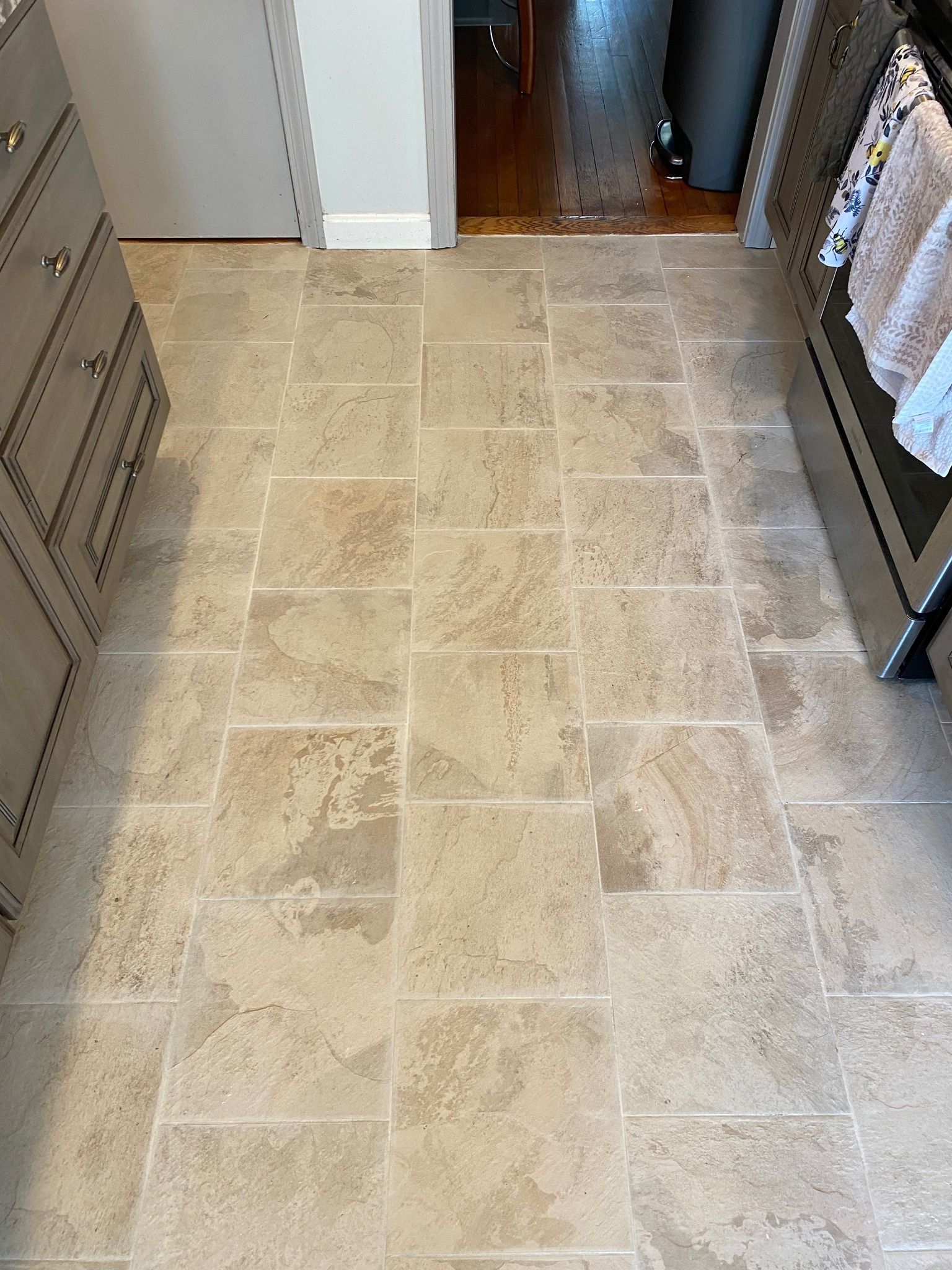
Loose or lifting floor tiles are more than a cosmetic inconvenience—they signal underlying issues that can compromise both the safety and aesthetic integrity of your space. Many homeowners and property managers encounter this problem, often unsure why it occurs or how to resolve it effectively. From residential kitchens to commercial lobbies, loose tiles can become trip hazards, accelerate damage to surrounding flooring, and create costly maintenance challenges if ignored. Left unattended, these issues can lead to more extensive structural damage and higher repair costs, making early detection and intervention essential for long-term flooring performance.
The solution lies in proper re-bonding techniques, which restore tiles to their original stability while preventing future loosening. Re-bonding goes beyond simple adhesive fixes; it addresses the root causes that compromise tile adhesion. By exploring the causes of tile loosening and the methods professionals use to secure them, property owners can make informed decisions that safeguard their investment. With the right approach, floors can be restored efficiently without the expense or disruption of a full replacement. This blog dives into the key reasons behind loose floor tiles, outlines practical strategies for re-bonding, and demonstrates why professional intervention is often the most reliable way to ensure durability and peace of mind.
Understanding Why Floor Tiles Come Loose
Substandard Installation
Poor installation is one of the leading causes of tile loosening. If the adhesive is uneven, insufficient, or incompatible with the tile or substrate, tiles are prone to detachment over time. For example, using a standard thin-set on a high-traffic area without proper curing or coverage often results in gaps beneath the tiles. Additionally, failure to allow the adhesive to set fully before heavy foot traffic can compromise the bond, causing tiles to lift prematurely.
Inappropriate Materials
Not all tiles or adhesives are suited for every environment. Porcelain, ceramic, and natural stone tiles each have specific adhesive and substrate requirements. Using the wrong mortar or grout can lead to adhesion failures. Moisture-sensitive adhesives on damp substrates, for instance, can weaken quickly, while heavy tiles on light adhesives may eventually succumb to gravity. Understanding material compatibility is essential to prevent long-term loosening issues.
Structural Movement
Buildings naturally settle over time. Minor shifts in the foundation, subfloor expansion or contraction, or vibrations from nearby construction can create stress on tiles. Even perfectly installed tiles may begin to separate if the underlying structure moves. This is particularly common in older buildings or in regions with fluctuating temperature and humidity levels, which can cause substrates to expand and contract unpredictably.
Environmental Factors
Excessive moisture, temperature extremes, or exposure to water can erode adhesive bonds. In bathrooms, kitchens, or basements, persistent dampness may weaken the substrate or adhesive, causing tiles to lift. Similarly, sunlight exposure on exterior tiles can lead to expansion and contraction cycles, eventually loosening tiles. Recognizing the environmental context of the flooring is key to diagnosing the root cause of detachment.
Signs Your Tiles Need Re-Bonding
Audible Cues
One of the simplest ways to identify loose tiles is by sound. Tapping on the surface may reveal hollow or hollow-sounding areas—indicative of gaps between the tile and substrate. These hollow spots often suggest that the adhesive has failed or the tile was never fully secured.
Visible Shifts
Tiles that have lifted edges, cracked grout lines, or noticeable movement when walked upon are clear indicators that the flooring is compromised. Even small separations can expand over time, so early detection is crucial for avoiding more extensive repairs.
Water Damage and Staining
Persistent water exposure often manifests as discoloration, staining, or warping of tiles. Moisture can weaken both adhesive and substrate, making the floor more susceptible to tiles coming loose. Addressing water-related issues is essential before attempting re-bonding, or repairs may fail repeatedly.
Safety Hazards
Loose tiles can pose significant risks, particularly in high-traffic areas. They can create tripping hazards or catch under furniture, leading to injury or further damage. Recognizing these safety implications emphasizes the urgency of professional intervention.
Re-Bonding: The Professional Solution
What Is Re-Bonding?
Re-bonding is a methodical process that restores tiles to a secure, stable position without the need for full replacement. Instead of removing and reinstalling entire floors, re-bonding focuses on repairing the bond between the tile and substrate. This approach preserves existing materials, reduces waste, and offers a cost-effective alternative to full replacement.
Step 1: Surface Preparation
Effective re-bonding begins with thorough surface preparation. This may involve cleaning debris, removing damaged adhesive, and ensuring the substrate is stable and dry. Proper preparation ensures the new bonding material adheres effectively and reduces the risk of recurring loosening.
Step 2: Adhesive Application
Specialized adhesives designed for re-bonding are applied to fill voids beneath the tile. Professionals often use injection or lifting techniques to ensure complete coverage, which standard DIY methods may not achieve. Choosing the correct adhesive for the tile type and environment is critical for long-lasting results.
Step 3: Pressing and Leveling
Once adhesive is applied, tiles are carefully pressed back into place and leveled. This ensures uniform contact across the entire surface, eliminating air pockets and weak points. Proper leveling is particularly important for high-traffic areas to prevent uneven wear and minimize tripping hazards.
Step 4: Curing and Finishing
Curing time is essential for a strong bond. Depending on the adhesive, tiles may require several hours to several days to achieve maximum strength. After curing, grout lines may be repaired or refreshed to restore both functionality and visual appeal.
Benefits of Re-Bonding vs. Replacement
Cost-Effectiveness
Replacing an entire floor can be expensive, especially with premium materials. Re-bonding targets only the problematic tiles, saving money on materials, labor, and time.
Minimal Disruption
Re-bonding is less invasive than full replacement, reducing downtime and allowing residents or businesses to continue using the space. For commercial properties, this means fewer disruptions to operations.
Environmental Advantages
Re-bonding conserves resources by retaining existing tiles, reducing construction waste, and minimizing the environmental footprint associated with tile production and disposal.
Longevity and Durability
When done correctly, re-bonding restores tiles to their original stability and can extend the life of the flooring for many years. Proper adhesive selection, substrate preparation, and professional installation all contribute to a long-lasting repair.
Challenges and Considerations
Identifying Hidden Damage
Sometimes, loose tiles indicate deeper structural issues that may not be immediately visible. Subfloor damage, moisture infiltration, or uneven foundation can compromise even expertly re-bonded tiles. A professional assessment is critical to identify and address these underlying problems.
Adhesive Selection
The choice of adhesive is crucial. Re-bonding requires adhesives with specific properties—high adhesion, flexibility, and moisture resistance. Using the wrong product can result in temporary fixes and recurring loosening.
Timing and Curing
Rushing the re-bonding process or ignoring curing times can compromise the repair. Professionals adhere to manufacturer guidelines for curing and handling to ensure the bond achieves full strength before traffic resumes.
Environmental Controls
Temperature, humidity, and moisture levels must be controlled during re-bonding. Extreme conditions can interfere with adhesive performance, causing tiles to loosen again if not properly managed.
Best Practices for Preventing Future Tile Loosening
Regular Maintenance
Routine inspection and maintenance help identify early signs of tile movement. Addressing minor issues promptly can prevent larger, more expensive problems down the line.
Address Moisture Issues
Controlling water exposure in bathrooms, kitchens, and basements is key. Proper sealing, ventilation, and moisture barriers reduce the risk of adhesive failure due to damp substrates.
Choose Professional Installation
Correct initial installation is the foundation of long-term durability. Using qualified professionals who understand tile-specific requirements and environmental considerations significantly reduces the risk of future loosening.
Use High-Quality Materials
Investing in the right adhesives, grouts, and tiles for your environment ensures optimal performance. Compatibility between substrate, adhesive, and tile material is essential for longevity.
Trusted Tile Restoration Experts Deliver Lasting Flooring Solutions
Loose floor tiles are a common yet serious issue that can compromise safety, aesthetics, and structural integrity. By understanding the causes—ranging from substandard installation and environmental stressors to structural movement—property owners can identify the right solutions. Re-bonding provides a practical, cost-effective method to restore tiles securely, offering advantages in longevity, minimal disruption, and environmental responsibility. With professional intervention, re-bonded tiles can last as long as newly installed floors, preserving both investment and visual appeal.
For property owners and managers in Boston, Massachusetts, who want reliable, lasting tile repairs, The Groutsmith
offers expert solutions in grout and tile restoration. With several
years of experience, the company specializes in diagnosing the underlying causes of tile loosening and implementing
professional re-bonding techniques
that restore both function and aesthetics. Their team combines technical expertise with industry-leading materials to ensure each repair is durable, safe, and visually seamless. Beyond re-bonding, The Groutsmith
provides comprehensive tile and grout services, from cleaning and sealing to full restoration projects, addressing both residential and commercial needs. By prioritizing thorough preparation, precise adhesive application, and proper curing, they deliver results that stand the test of time. Property owners in Boston trust The Groutsmith
for solutions that are efficient, cost-effective, and professionally executed. Whether dealing with high-traffic commercial flooring or delicate residential tiles, The Groutsmith
offers tailored strategies that prevent recurring issues, safeguard property value, and ensure peace of mind for years to come.